





ขนาดตลาดเครื่องพิมพ์ฉลากบาร์โค้ดและมุมมองการเติบโต
โครงการวิจัย Grand View ทั่วโลก เครื่องพิมพ์ฉลากบาร์โค้ด ตลาดที่จะปีนจาก\n4.7 พันล้าน 2024 ถึง 7.5 พันล้านภายในปี 2030โพสต์ CAGR 8.2% การเติบโตนี้เป็นสัญญาณมากกว่าการขยายตัวของขายปลีก การเติบโตของตลาดได้รับการสนับสนุนอย่างมากขึ้นโดยการเปลี่ยนแปลงโครงสร้างในวิธีการระบุสินค้า ติดตาม และควบคุมในโซ่การจัดหาทั่วโลก
ผู้มีส่วนร่วมหลักในการขยายตลาดเครื่องพิมพ์บาร์โค้ดรวมถึง:
- • การเติบโตอย่างต่อเนื่องของการดำเนินการทางอีคอมเมิร์ซและเครือข่ายโลจิสติกส์ของบุคคลที่สาม (3PL)
- • การขยายอัตโนมัติคลังสินค้าและความริเริ่มในการดิจิตอลสินค้าคลังสินค้า
- • ข้อกำหนดตามกฎหมายสําหรับการติดตามในการดูแลสุขภาพ, อาหาร, และการติดฉลากเคมี
- • ความซับซ้อนของ SKU ที่เพิ่มขึ้นในสภาพแวดล้อมการค้าปลีกและการผลิต
แนวโน้มสำคัญที่สร้างตลาดเครื่องพิมพ์ฉลากบาร์โค้ด
ไดนามิกของตลาดกําลังปรับปรุงรูปแบบการจัดตั้ง กลยุทธ์การรวมระบบ และมาตรฐานการทํางานของฮาร์ดแวร์ การวิเคราะห์ต่อไปนี้เน้นแนวโน้มตลาดเครื่องพิมพ์ฉลากบาร์โค้ดสำคัญที่สร้างรูปร่างอุตสาหกรรม
อัตโนมัติและคลังสินค้าดิจิตอลขับรถความต้องการเครื่องพิมพ์บาร์โค้ด
อัตโนมัติคลังสินค้าให้ความต้องการเพิ่มขึ้นที่สําคัญที่สุด โดยเฉพาะอย่างยิ่งในการตอบสนองทางอิเล็กทรอนิกส์และเครือข่าย 3PL
คลังสินค้าที่ทันสมัยพึ่งพาการติดฉลากบาร์โค้ดมากขึ้นในขั้นตอนที่เข้า, การเก็บ, การเก็บ, การบรรจุ, และการออก. ในขณะเดียวกัน ศูนย์กลางโลจิสติกส์ขนาดใหญ่และท่าเรือสำคัญกําลังใช้ระบบ AIDC ในระดับขนาดใหญ่ ทําให้ความต้องการที่แข็งแกร่งสําหรับบาร์โค้ดและโซลู
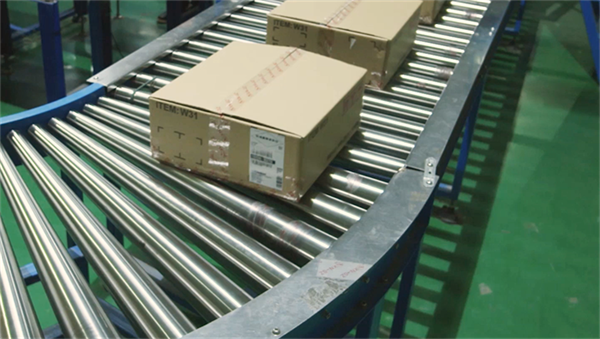
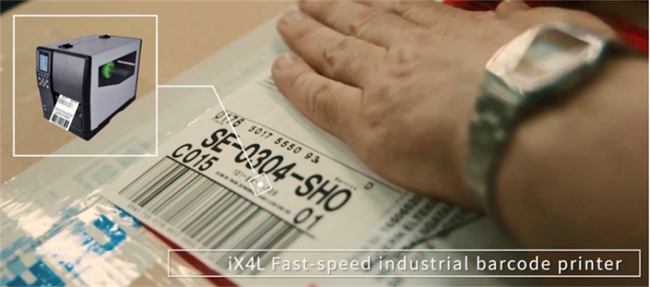
เครื่องพิมพ์ไม่ได้เป็นอุปกรณ์อิสระอีกต่อไป แต่ได้กลายเป็นส่วนประกอบสำคัญของระบบ WMS และ ERP ที่ใหญ่กว่า
ความต้องการในการติดฉลากและการติดตามตามกฎหมาย

การปฏิบัติตามกฎหมายตอนนี้เป็นเครื่องขับเคลื่อนความต้องการโครงสร้าง ไม่ใช่แค่แนวทางเท่านั้น ภาคด้านสุขภาพ อาหาร เคมี และอิเล็กทรอนิกส์ ต้องเผชิญกับข้อกำหนดที่เข้มงวดสําหรับการติดฉลากมาตรฐาน ทนทาน และสามารถตรวจสอบได้
ตัวอย่างเช่น FDA ของสหรัฐอเมริกา กฎหมาย UDI และความต้องการของ EU MDR จําเป็นต้องมีตัวระบุถาวร ที่สามารถอ่านได้โดยเครื่อง - มักจะเป็นรหัส 2D - บนอุปกรณ์ทางการแพทย์และบรรจุภัณฑ์เพื่อให้สามารถติดตามได้
กฎหมายเหล่านี้ช่วยยกการติดฉลากจากศูนย์ค่าใช้จ่ายเป็นกลไกการควบคุมความเสี่ยง เพื่อเสริมความต้องการในระยะยาวสําหรับโซลูชั่นการพิมพ์บาร์โค้ดที่แข็งแกร่
การบูรณาการของเครื่องพิมพ์บาร์โค้ดกับระบบ Enterprise และ IoT
อีกแนวโน้มที่กําหนดในตลาดเครื่องพิมพ์บาร์โค้ดคือการบูรณาการที่ลึกซึ้งกับระบบองค์กร เครื่องพิมพ์บาร์โค้ดคาดว่าจะทำงานได้อย่างราบรื่นกับ ERP, MES, WMS และแพลตฟอร์มการจัดการอุปกรณ์ที่ใช้คลาวด์ การเปลี่ยนแปลงนี้เน้นความเข้ากันได้ของซอฟต์แวร์ การติดตามระยะไกล และการจัดการวงจรชีวิตพร้อมกับประสิทธิภาพฮาร์ดแวร์แบบดั้งเ
ความริเริ่มความยั่งยืนและการใช้ฉลากไม่มีเส้น
นอกจากนี้ ความดันสิ่งแวดล้อมกําลังมีอิทธิพลต่อกลยุทธ์การติดฉลากทั่วโลก ความริเริ่มที่เน้นความยั่งยืน ได้เร่งความสนใจในการติดฉลากไม่มีเส้น การลดขยะ และประสิทธิภาพวัสดุ ในขณะที่อัตราการใช้งานแตกต่างกันไปตามภูมิภาคและการใช้งาน การพิจารณาความยั่งยืนกําลังกลายเป็นปัจจัยการจัดซื้อทางยุทธศาสตร์ ที่สร้าง
การแบ่งปันส่วนแบ่งตลาดเครื่องพิมพ์ฉลากบาร์โค้ด (ตามภูมิภาค)
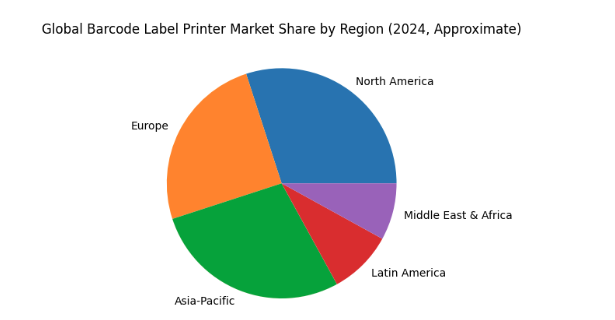
ส่วนแบ่งตลาดในภูมิภาคแตกต่างกันหลักตามความสมบูรณ์แบบของโลจิสติกส์ โครงสร้างอุตสาหกรรม และความเข้มข้นของการกฎหมาย ทําให้ความเข้มข้
อเมริกาเหนือ
30.1% ส่วนแบ่งโลก (2024)
อเมริกาเหนือเป็นส่วนแบ่งภูมิภาคที่ใหญ่ที่สุดของตลาดเครื่องพิมพ์ฉลากบาร์โค้ดโลก ตาม Grand View Research ภูมิภาคนี้เป็นประมาณ 30.1% ของรายได้จากตลาดโลกในปี 2024
ตำแหน่งตลาดที่แข็งแกร่งของภูมิภาคได้รับการสนับสนุนจากอัตโนมัติคลังสินค้าที่ก้าวหน้า เครือข่ายโลจิสติกส์ของบุคคลที่สาม (3PL) ที่หนาแน ปัจจัยเหล่านี้ยังคงรักษาความต้องการสําหรับเครื่องพิมพ์บาร์โค้ดระดับอุตสาหกรรมและความน่าเชื่อถือสูงทั่วอเมริกาเหนือ
เอเชียแปซิฟิก (APAC)
เอเชียแปซิฟิกกําลังเกิดขึ้นเป็นหนึ่งในตลาดที่เติบโตอย่างรวดเร็วที่สุดสําหรับเครื่องพิมพ์ฉลากบาร์โค้ดทั่วโลก โดยขับเคลื่อนโดยการขยายความสามารถในการผลิตอย่างรวดเร็ว
การเติบโตนี้ได้รับการเสริมสร้างโดยความต้องการที่แข็งแกร่งสําหรับโซลูชั่นการพิมพ์บาร์โค้ดอุตสาหกรรมและมือถือ เพื่อสนับสนุนโลจิส บริษัทหลายบริษัทในภูมิภาคกําลังเร่งการลงทุนอัตโนมัติ ซึ่งในกลับกันเพิ่มความต้องการสําหรับระบบพิมพ์บาร์โค้ดท
ยุโรป
ความต้องการของตลาดเครื่องพิมพ์ฉลากบาร์โค้ดในยุโรปถูกขับเคลื่อนโดยความเข้มข้นของการผลิต การบังคับใช้กฎหมาย และการปรับปรุงโลจิสติกส
เศรษฐกิจยุโรปตะวันตก เช่น เยอรมันยังคงเป็นศูนย์กลางความต้องการสําคัญ เนื่องจากการลงทุนอย่างยั่งยืนในอุตสาหกรรมยานยนต์ เครื่องจักร เคมี และการผลิตอุตสาหกรรม
การควบคุมเป็นพลังที่กําหนดทั่วภูมิภาค ความต้องการของสหภาพยุโรปในด้านยา ความปลอดภัยของอาหาร และการต่อต้านการปลอม จําเป็นต้องมีรหัส 2D มากขึ้น รวมถึง Data Matrix และรหัส QR บนบรรจุภัณฑ์และฉลากสินค้า ภารกิจเหล่านี้เพิ่มความต้องการพื้นฐานสําหรับการพิมพ์ที่มีความละเอียดสูง การจัดการข้อมูลที่แตกต่างกันที่แม่นยำ และประสิทธิภาพฉลากที่ทนทาน ทําให้การปฏ
ลาตินอเมริกา
ลาตินอเมริกาเป็นตัวแทนของตลาดที่เติบโตปานกลาง แต่ปรับปรุงโครงสร้างสําหรับเครื่องพิมพ์ฉลากบาร์โค้ด ด้วยความต้องการที่เน้นในบราซิล เม็ก การเติบโตโดยส่วนใหญ่ถูกขับเคลื่อนโดยการขยายโซ่ขายปลีก, การดำเนินการด้านการค้าอิเล็กทรอนิกส์ และการผลิตในท้องถิ่น, ที่การติดฉลากบาร์โค้ดสนับสนุนการระบุการจ
นอกจากขับเคลื่อนทางการค้า ความริเริ่มของการกำกับดูแลในยา, สูบบุหรี่ และหมวดหมู่สินค้าบริโภคที่เลือก กําลังเร่งการใช้ระบบการจัดเรียงและการติดตามในส่วนหน
ลาตินอเมริกาเป็นตัวแทนของตลาดที่เติบโตปานกลาง แต่ปรับปรุงโครงสร้างสําหรับเครื่องพิมพ์ฉลากบาร์โค้ด ด้วยความต้องการที่เน้นในบราซิล เม็ก การเติบโตโดยส่วนใหญ่ถูกขับเคลื่อนโดยการขยายโซ่ขายปลีก, การดำเนินการด้านการค้าอิเล็กทรอนิกส์ และการผลิตในท้องถิ่น, ที่การติดฉลากบาร์โค้ดสนับสนุนการระบุการจ
ตะวันออกกลางและแอฟริกา (MEA)
ภูมิภาคตะวันออกกลางและแอฟริกา โดยนําโดยประเทศสภาความร่วมมืออ่าว (GCC) เช่น สหรัฐอาหรับเอมิเรตและซาอุดิอาหรับ กําลังเพิ่มการใช้โซลูชั่นการพิมพ์บาร์โค้ดในด้านโลจิส
ทั่ว MEA ส่วนสําคัญของคลังสินค้า ศูนย์จําหน่าย และการดําเนินงานในภาคสาธารณะยังคงเปลี่ยนจากการติดฉลากด้วยมือหรือกึ่งอัตโนมัติไปยังระบบมาตรฐาน การเปลี่ยนแปลงที่ต่อเนื่องนี้สร้างความต้องการเพิ่มขึ้นสําหรับเครื่องพิมพ์บาร์โค้ด เป็นส่วนหนึ่งของโครงการใช้ AIDC ที่กว้างขวาง โดยเฉพาะอย่างยิ่งในศูนย์กลางโลจิสติกส์ เข
โดยรวม รูปแบบความต้องการในภูมิภาคแสดงให้เห็นถึงการแยกแยกอย่างชัดเจนระหว่างตลาดที่เป็นผู้ใหญ่ที่ขับเคลื่อนโดยอัตโนมัติและการปฏิบัติตาม และต
ร่วมมือกับ IDPRT
IDPRT เป็นผู้จัดจำหน่ายฮาร์ดแวร์ AIDC ที่มีประสบการณ์ที่ตั้งอยู่ในประเทศจีน สนับสนุนลูกค้าทั่วโลกด้วยเครื่องพิมพ์บาร์โค้ด เครื่องพิมพ์ RFID เครื่องสแกนบาร์โค้ด และเทอร์มิ

เครื่องพิมพ์บาร์โค้ดเดสก์ท็อป

เครื่องพิมพ์บาร์โค้ดมือถือ

เครื่องพิมพ์บาร์โค้ดอุตสาหกรรม

เครื่องพิมพ์ RFID

เครื่องอ่าน RFID

สแกนบาร์โค้ดมือถือ
จากการติดฉลากคลังสินค้าขนาดใหญ่จนถึงการใช้งานทางการแพทย์และอุตสาหกรรมที่ขับเคลื่อนด้วยการปฏิบัติตามกฎหมาย IDPRT มุ่งเน้นไปที่ประสิทธิภาพที่มั่นคง อาย
โซลูชั่นของเราถูกออกแบบมาเพื่อให้เข้ากับระบบนิเวศของ WMS, ERP, MES และ IoT ที่มีอยู่อย่างราบรื่น ช่วยให้ลูกค้าลดความเสี่ยงในการดําเนินงาน ควบคุมค่าใช้จ่ายทั้งหมดในการเป็นเจ้าของ และขยายก